As event organisers, we have seen the industry evolve in many ways over the years. From intimate gatherings to grandiose corporate events, each occasion calls for a unique design strategy that leaves a lasting impression on attendees.
In this article, we will explore some of the top event design trends according to our own experiences and industry data.
Immersive and Interactive Elements
Gone are the days when attendees were content with passively listening to speakers or watching a presentation. Today’s audience craves engagement, and incorporating immersive and interactive experiences into your event design is a surefire way to keep them interested. This can be achieved through virtual reality installations, hands-on workshops, or even simple games that encourage interaction between attendees. The key is to create an environment that encourages active participation and fosters connection.
Keep Sustainability In Mind
As global awareness of environmental issues continues to grow, so does the demand for sustainable event design. Many event organisers are now prioritising eco-friendly practices, such as reducing waste, using energy-efficient lighting, and sourcing local or organic food.

To stay ahead of the curve, consider implementing sustainable practices into your event design, not only as a selling point, but as a way to genuinely contribute to the well-being of our planet.
Personalise Your Approaches
In a world where people are increasingly seeking unique and tailored experiences, event organisers should strive to create personalised events that cater to individual preferences. This can be achieved by offering customisable food and drink options, providing a variety of activities and workshops to suit different interests, or even allowing attendees to choose their own adventure through a series of interactive stations.
💡By giving your guests the power to shape their own experience, you’ll make your event more memorable and engaging. Check out our guide on event personalisation for some helpful tips and tricks!
Wellness and Mindfulness Zones
Incorporating wellness and mindfulness elements into your event design is an excellent way to create a more holistic experience. This can be as simple as offering yoga or meditation sessions, or as elaborate as creating dedicated relaxation zones complete with calming scents and soothing sounds.

By fostering a sense of mental and physical well-being, you’ll improve company culture and help attendees feel more connected to the event’s purpose (providing it makes sense to do so!).
Technology Integration
In today’s digital age, technology plays a crucial role in the success of any event. From event registration and check-in to attendee engagement and networking, technology can streamline processes and enhance the overall experience.
As an event organiser, staying up-to-date with the latest tech trends is essential for delivering a seamless and engaging event. Consider utilising event apps, interactive displays, and social media to keep attendees informed and connected throughout the event.
Tell Your Story Through Design
A compelling narrative can transform a simple event into a captivating experience. By weaving storytelling elements into your event design, you can create a more immersive and memorable occasion for your guests.

This can be achieved through engaging speakers, visual displays, or even the event’s theme. The key is to craft a story that resonates with your audience and aligns with your event’s purpose.
Experiential Marketing
Brands are increasingly turning to experiential marketing to create memorable connections with their target audience. Event organisers can incorporate this trend by designing immersive brand activations that allow attendees to experience a product or service first-hand. This not only generates buzz but also fosters a deeper connection between the brand and its audience. Be creative and think outside the box to create unique experiences that reflect the essence of the brand.
Important Tip – Always Remain Inclusive
Inclusivity should be a priority in every aspect of event planning, from the design stage to the execution. This means considering the needs of attendees with varying abilities, cultural backgrounds, and dietary restrictions.
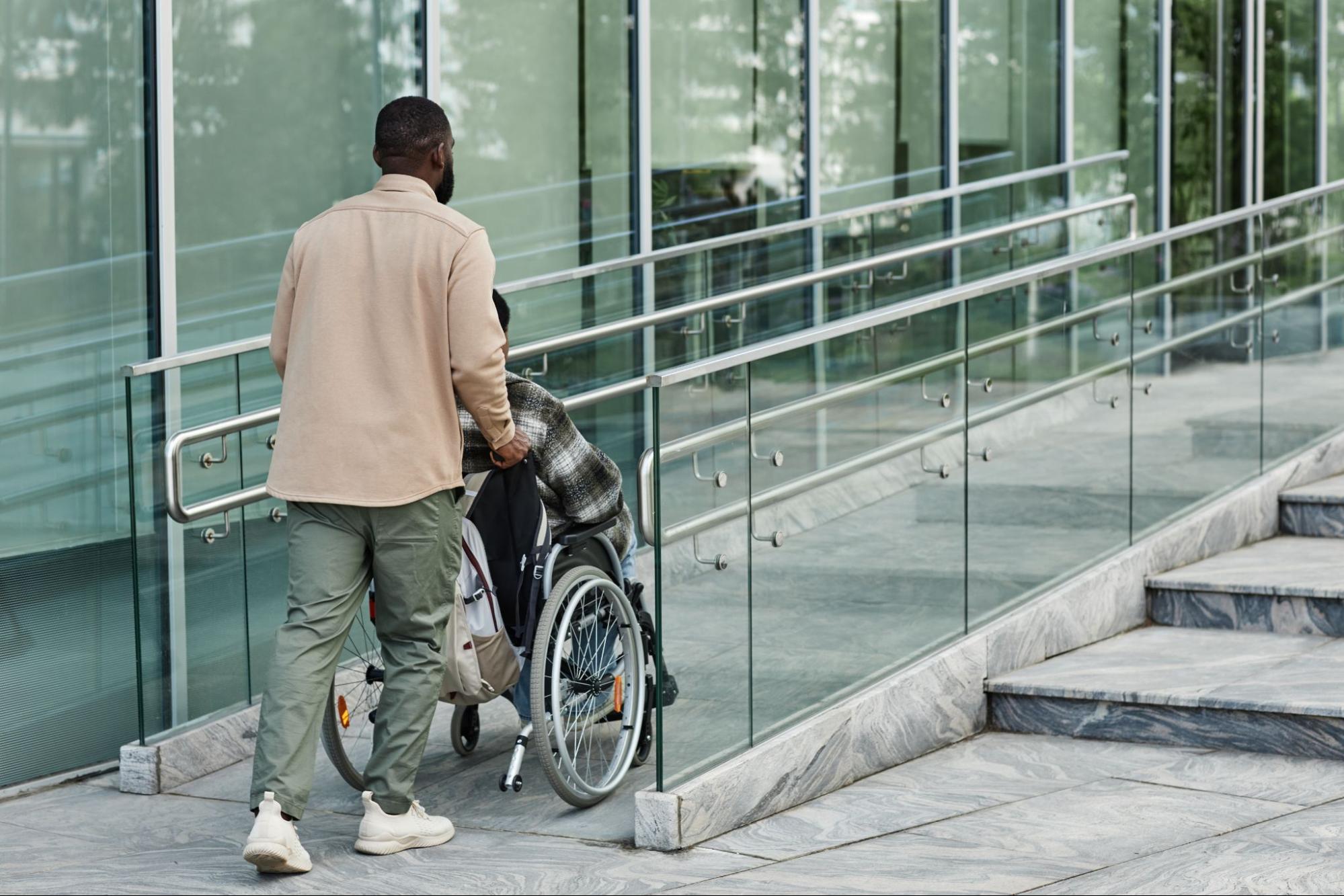
For example, provide wheelchair-accessible spaces, offer a variety of food options, and ensure your event’s content is available in multiple languages or formats. By making your event more inclusive, you’ll create a welcoming environment that appeals to a diverse audience.
Need Some Help Planning Your Event?
The landscape of event design is constantly evolving, with new trends emerging to meet the ever-changing demands of attendees. By incorporating the ideas mentioned in this guide, you’ll create unforgettable events that leave a lasting impression on your guests.
💬 Need some help with your next event? Here at Wildfire, we design and run events perfectly suited to your needs. Get in touch to learn more; we’d love to hear from you.