Starting early on event planning is not just recommended; it’s absolutely crucial. Early preparation can be the difference between a memorable event and a forgettable one!
As event organisers, we know just how important timing is when it comes to event planning. This article highlights the value of early event planning and the ideal timelines for various types of events.
Types Of Events & Their Planning Timelines
Every event type comes with its unique set of needs and timelines:
Weddings
For weddings, it’s advisable to start planning at least 12-24 months in advance. This timeline gives you enough room to choose your dream venue, hire caterers, arrange music and entertainment, and send out invitations.
Corporate Events
Depending on the scale, corporate event planning should begin 6 to 12 months ahead. This will allow time for booking the venue, planning the agenda, inviting speakers, and marketing the event.
Fundraisers

Fundraisers typically require a lead time of 6 to 9 months. This time frame allows for developing a fundraising strategy, identifying donors, organising entertainment, and marketing.
Conferences
For conferences, a planning period of about 12 months is ideal to allow for speaker engagement, venue booking, and delegate registration.
Birthday Parties
Birthday parties can range from small intimate gatherings to large, lavish celebrations. For a major milestone birthday party, such as a 1st, 18th or 50th, start planning about 3-4 months in advance. This allows time to book your preferred venue, arrange catering, send out invitations, and plan any special entertainment or surprises. Smaller gatherings can be planned up to a month in advance.
Festivals
Planning a festival is a huge task, and the earlier you can start, the better. A timeline of 12-24 months is recommended, as this gives you time to secure artists, hire equipment, book the venue, arrange permits and insurance, and launch a comprehensive marketing campaign.
Art Exhibitions
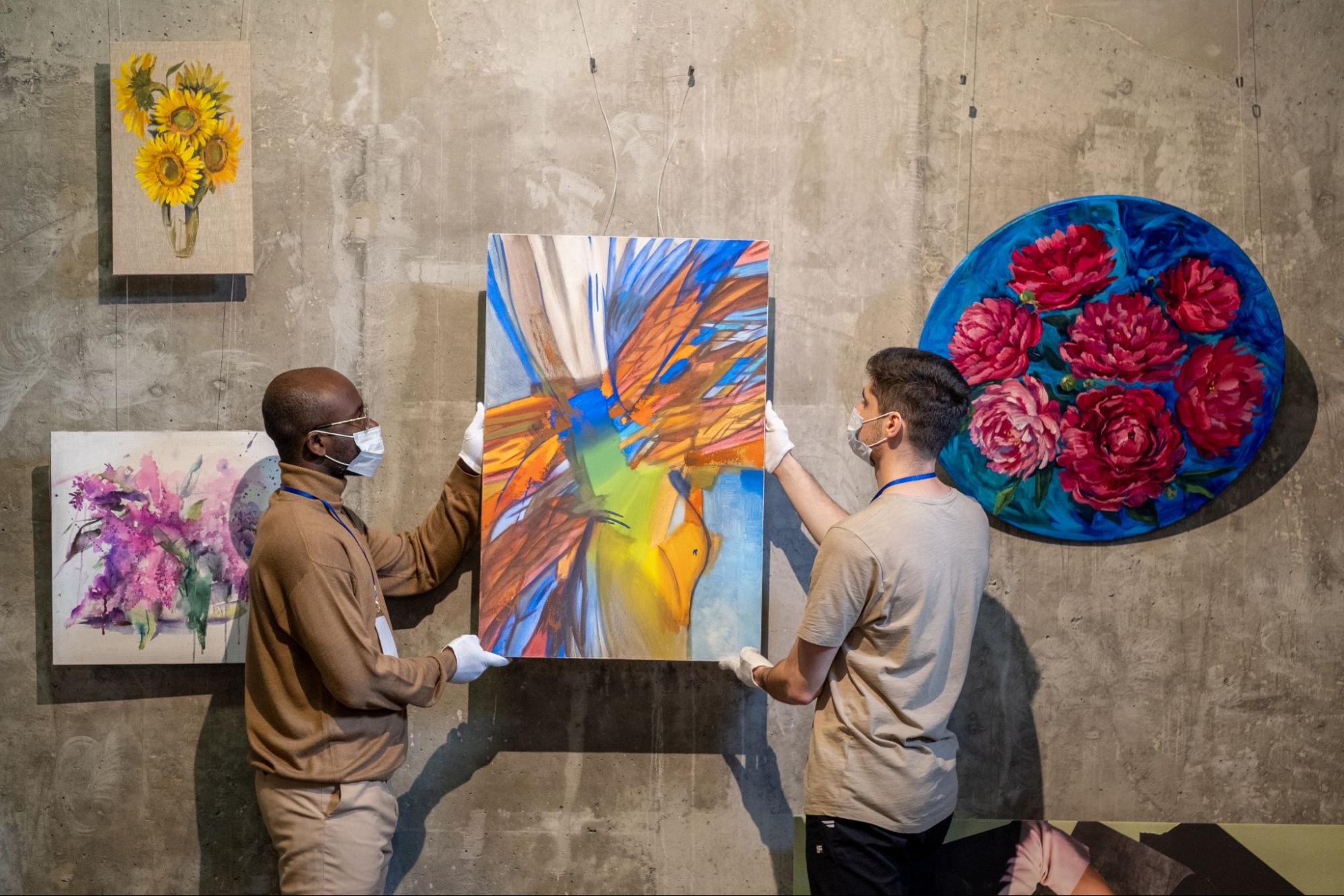
For art exhibitions, you should start planning about 6-12 months in advance. This allows enough time for the artist(s) to prepare their pieces, find a suitable venue, plan the layout, arrange transportation of artwork, and promote the event to the public and any special guests.
Product Launches
Product launches and brand activations should ideally start planning 6-9 months in advance. This timeline allows for product finalisation, venue booking, developing a marketing and PR strategy, creating promotional materials, and potentially arranging demonstrations or samples.
Charity Galas
Charity Galas are significant events that require a lot of planning. A lead time of about 9-12 months is advisable. This provides enough time to find sponsors, book a venue, hire caterers and entertainment, set up ticketing, and launch a marketing campaign to sell tickets.
Sporting Events

Sporting events, depending on their size and nature, should have a planning timeline of about 9-12 months. This will allow for registration of participants, obtaining necessary permits, arranging for security, medical personnel, and volunteers, and promoting the event.
Factors Influencing The Event Planning Timeline
Every event is unique, and several factors come into play when determining the ideal timeline for event planning. Here are some key considerations:
1. Type of Event
As mentioned earlier, different types of events necessitate different planning timelines. For instance, a wedding or a large-scale festival requires longer planning periods compared to a small birthday party or business meeting.
2. Size of the Event
The number of attendees significantly influences the planning timeline. Larger events require more coordination, from booking a venue that can accommodate all attendees, to arranging adequate food and beverage, to coordinating complex logistics.
3. Venue Availability
Some venues are in high demand and need to be booked well in advance, sometimes up to a year or more for highly sought-after locations. The availability of your chosen venue can significantly dictate your event’s planning timeline.
4. Budget
Your budget can influence the planning timeline. If you’re working with a limited budget, you might need extra time to find affordable vendors, negotiate contracts, or seek sponsorships. Check out these event budgeting tips for more information.
5. Season

The time of year can impact the planning timeline. If you’re planning an event during the peak season, such as during the summer or over the Christmas period, you might need to start planning earlier due to increased demand for venues and suppliers.
6. Special Requirements
Some events may have special requirements, such as guest speakers, performers, or special equipment. Arranging these can take additional time, especially if the individuals or items are in high demand.
7. Marketing and Promotion
The timeline for marketing and promotion is a critical factor. For larger events, start promoting at least 6 months in advance to build awareness and ensure a good turnout.
💡 You might like these event marketing strategies.
Tips For Effective Early Event Planning
Early planning gives you the luxury of time and choices. Here are a few tips from our seasoned event planners:
- Set Clear Objectives: Knowing what you want to achieve with your event helps steer the planning in the right direction.
- Assemble a Capable Team: Having a competent team will make the process smoother and more efficient.
- Secure Your Venue Early: Venue availability can be a significant bottleneck in event planning.
- Develop a Comprehensive Plan: Create a detailed plan, including all tasks, deadlines, and responsible parties.
- Have a Contingency Plan: Always have a backup plan for unexpected circumstances.
💡 For more information, check out our top event planning tips in this guide.
How Wildfire Can Help With Event Planning
Our agency specialises in turning visions into reality. We offer a comprehensive suite of services, including consultation, planning, event sourcing, coordination, and execution, ensuring your event is a resounding success.
Starting early on your event planning journey allows you to create a well-organised, successful event that leaves a lasting impression on your attendees. Remember, the key to effective planning lies in preparation, clear objectives, and the right support. We’re always here to assist you in creating unforgettable experiences! Get in touch to learn more.
Frequently Asked Questions
How early should I start planning my event?
The planning timeline can vary significantly depending on the type and size of the event. As a rule of thumb, major events like weddings, conferences, or festivals usually require 12-24 months of planning. Smaller events like birthday parties or business meetings need around 3-4 months of preparation.
Why is early event planning important?
Early event planning is crucial for several reasons. It allows you to secure your preferred venue and suppliers, effectively manage your budget, execute a comprehensive marketing plan, and reduce stress by spreading out tasks. It also provides ample time to pay attention to the smaller details that can make an event truly memorable.
Does the season of the year affect event planning timelines?
Yes, the season can significantly impact your event planning timeline. If you’re planning an event during peak season, you should start planning earlier due to increased demand for venues and suppliers.
What should I do if my preferred venue is booked up?
Having a contingency plan is essential in event planning. If your preferred venue is unavailable, consider alternative venues that can accommodate your requirements. You can also adjust your event date.
How does the budget affect my event planning timeline?
If you’re working with a limited budget, you might need extra time to find affordable vendors, negotiate contracts, or secure sponsorships. Therefore, budget constraints could extend your event planning timeline.
Can I plan a successful event without professional help?
While it’s possible to plan an event on your own, hiring a professional event planner can be very beneficial. They bring their expertise and resources to the table, which can save you time and stress, and they often have established relationships with vendors that could potentially save you money as well.